



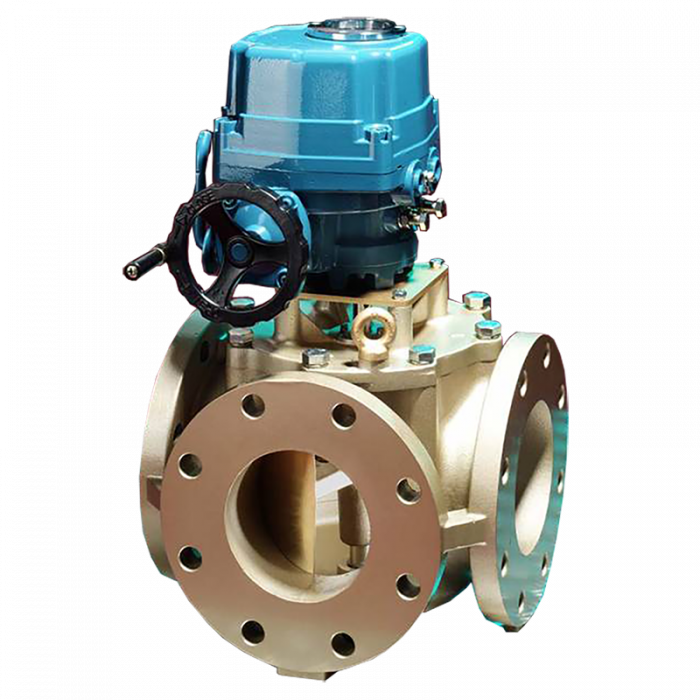
Model G: 3-Way Rotary Control Valves
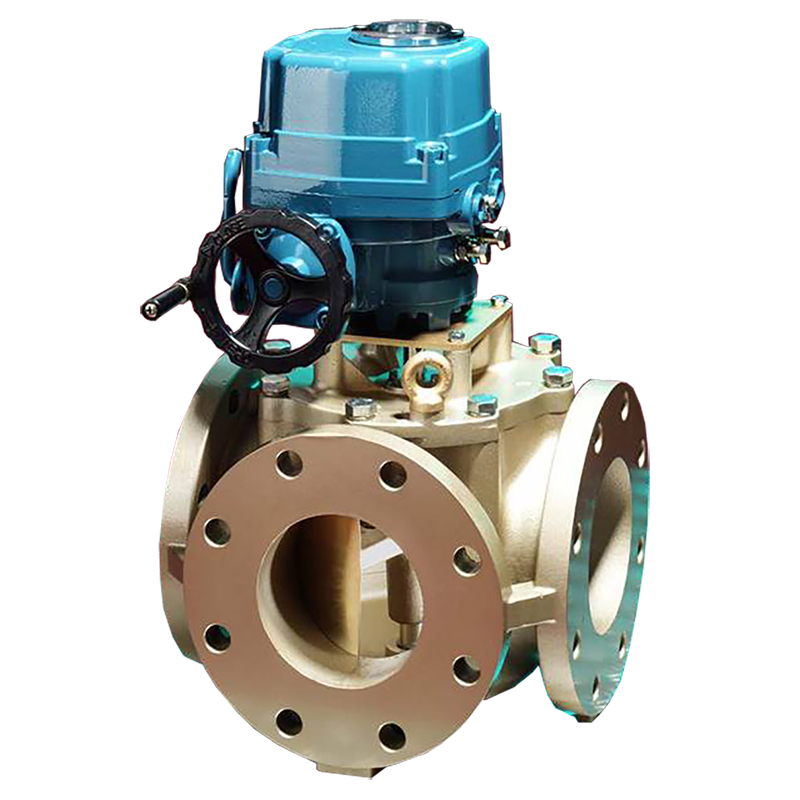
AMOT Model G 3-way rotary control valves provide a high degree of accuracy for precise temperature control in both mixing and diverting applications. If you experience long warm-up times, excessive white smoke coming from the exhaust, or difficulty regulating fluid temperatures at idle, replace your thermostatic valve with an externally-actuated AMOT Model G without the need for piping modifications. Models include GEF, GPD, and GG.
In addition to the standard valve, AMOT offers two Low Leak Model G options: ANSI Class II (0.5% leakage rate) and ANSI Class IV (0.01% leakage rate). Contact us for more details.
Durable
The heavy-duty, compact design fits in cramped spaces and withstands high vibration applications to minimize stem leaks and actuator board failures.
Accurate
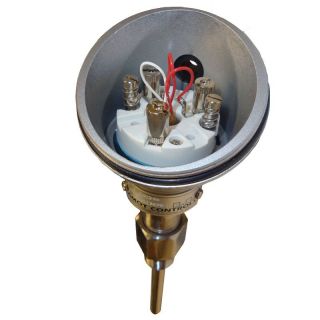
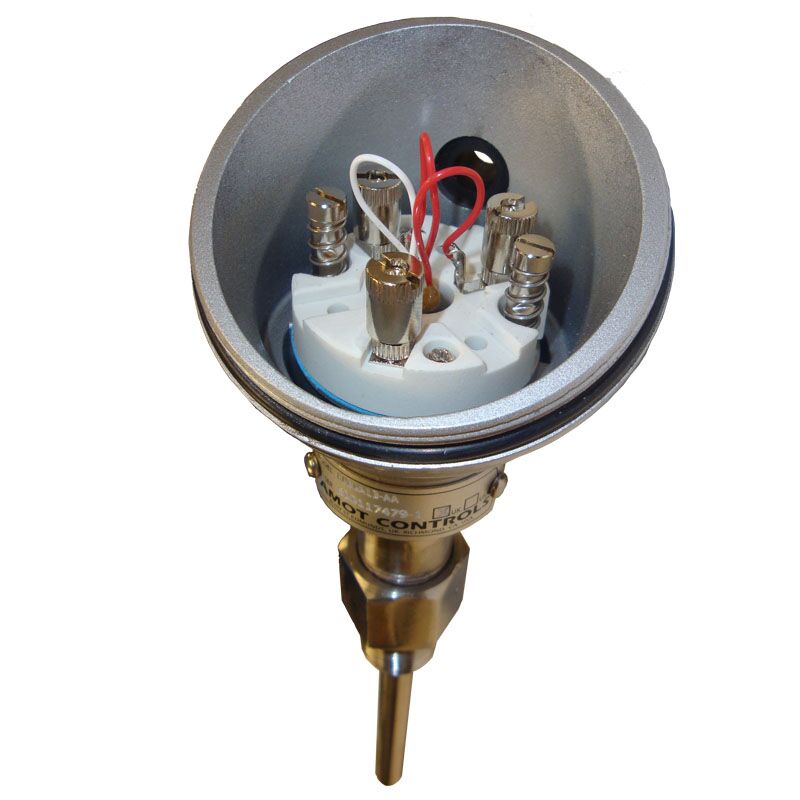
The external temperature sensing probe enables more precise, more responsive temperature control. With the Model G, you can maintain a temperature setting to within +/- 1oF.
Flexible
Our unique design allows ports to be configured to suit any installation requirement. The Model G can operate equally well as a stand-alone valve or as part of a complete control system. In addition, we offer a variety of models, sizes, actuator types, communication protocols, and other options to help you specify exactly what you need.
Proven
The AMOT Model G valve has over 25 years of proven performance in Marine, Power Generation, and Oil & Gas applications.
Note: We offer a number of industry and third-party certifications; see the full list below.

| Size range | 2" (DN50) to 16" (DN400) |
| Body materials |
Ductile cast iron |
| Actuation types |
24 VDC
|
| Communications options | 4-20mA 3-15 psi Pulse Width Modulation (PWM) CAN bus |
| Certifications available |
Hazardous area
Marine class (IACS associated)
IACS class
|
The AMOT Model G valve eliminates stem leakage in many marine, power generation and oil & gas applications where typical linear stroke valves have been installed. They are a suitable replacement in many applications where these valves have been used:
- Fisher GX
- Fisher YD
- Ari Stevi 450
- Leslie RVB
- Leslie RVD
- Leslie RVK
- Robertshaw RT-1004
- Robertshaw RT-1010A
- Robertshaw VC-230A
- Robertshaw I-1284
- Robertshaw I-1285
- Samson 250
- Samson V2001
- Samson 3253
- Samson 3244
- SOMAS SV
- Fulton Sylphon 923-3
Electric
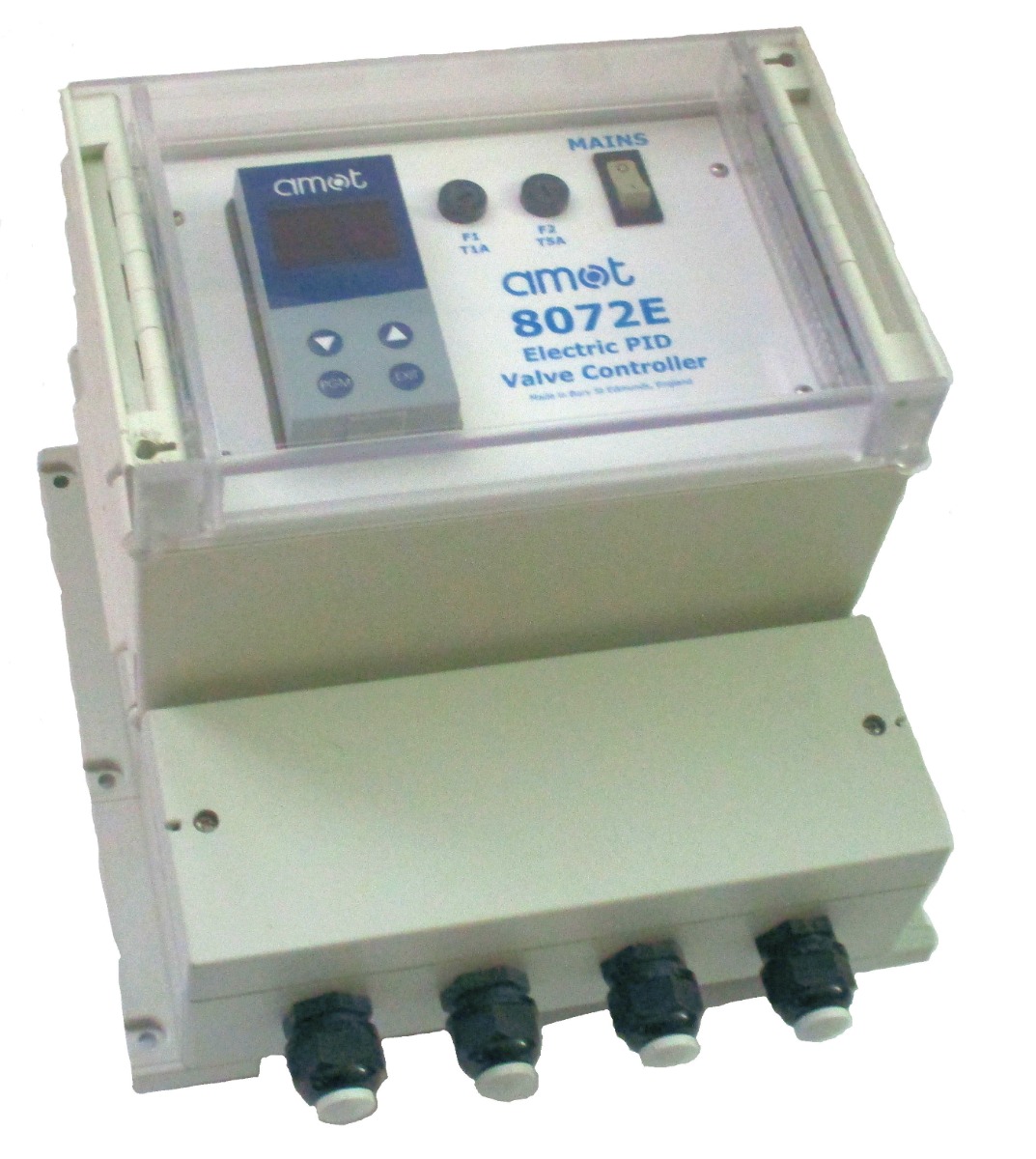
For the electric valve, the actuator of the G valve assembly uses an electric motor which rotates in either direction in response to the ON-OFF signals received. The motor drives a gearbox connected to the rotor shaft and turns the valve rotor clockwise or counter-clockwise, a maximum of 90 degrees. At the end of travel, limit switches are incorporated to isolate the electrical supply to the motor when the valve rotor has reached either end of the rotation. A feedback potentiometer is standard and provides position indication to the control system. The actuator is powered by an electric motor driving a worm-type gearbox. The worm gearbox prevents reverse drive due to fluid forces. It is fitted with manual override as standard, enabling valve operation without power.
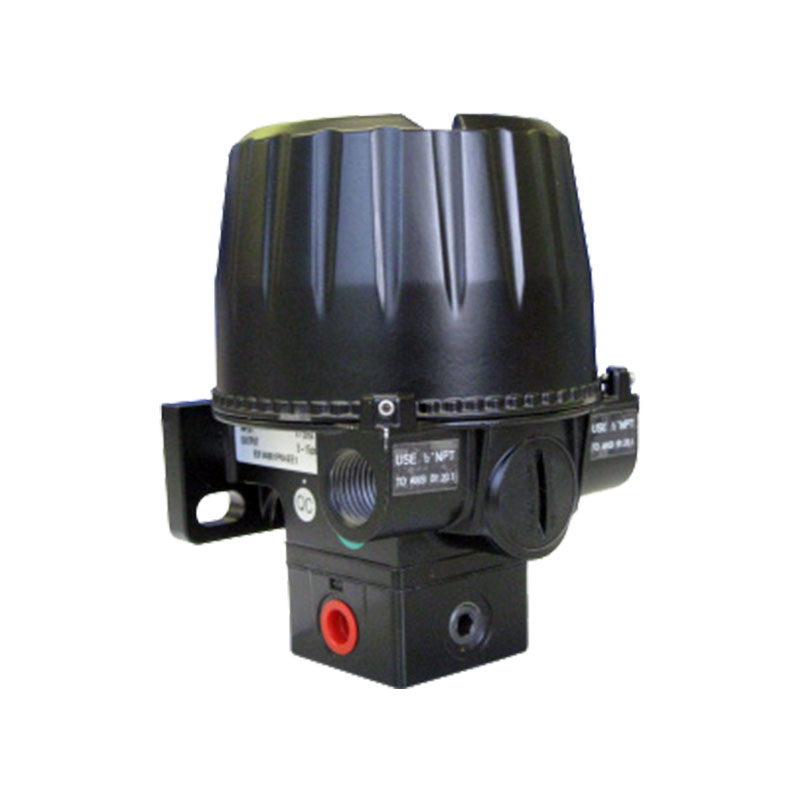
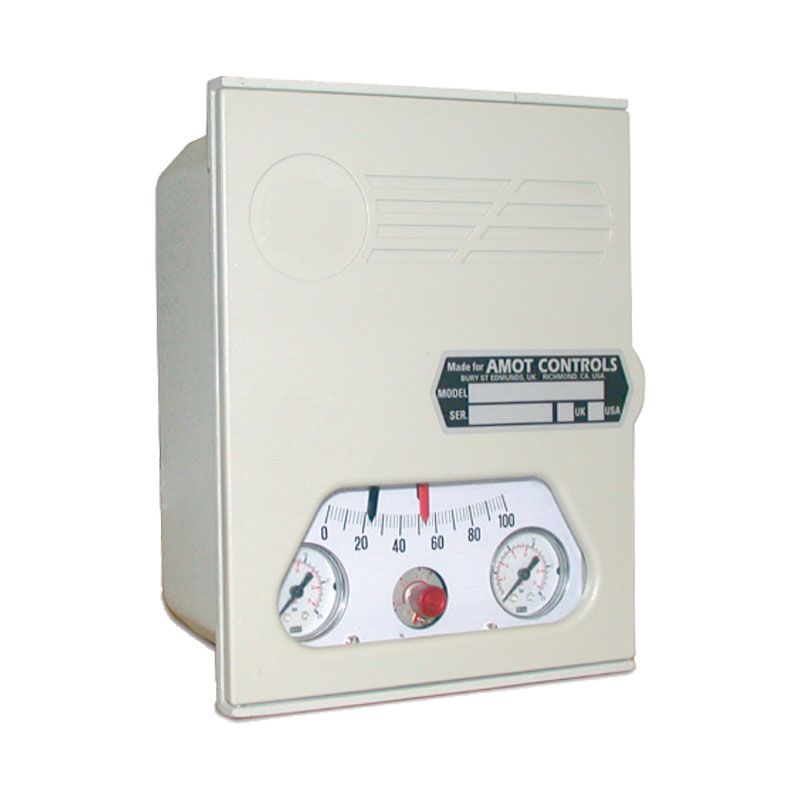
Pneumatic The pneumatic valve uses a spring return pneumatic actuator and positioner to control the rotation of the valve in response to an input signal from a pneumatic or electro-pneumatic control system. The pneumatic control system sends a pneumatic signal ranging from 3 to 15 psi to the actuator to correctly position the valve at the desired temperature setting. The pneumatic control system usually consists of a P+I pneumatic controller, sensor and the necessary air supply conditioning equipment (regulators, filters and water traps). The actuator is fitted with spring return as standard allowing fail-safe configuration if necessary. It is also fitted with a valve positioner enabling accurate and repeatable movement.
Electro-Pneumatic
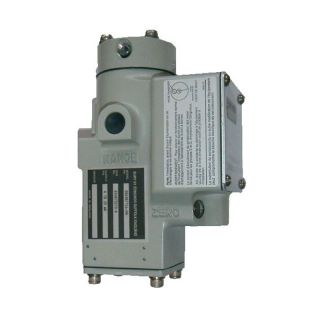
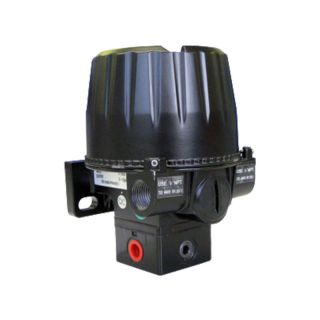
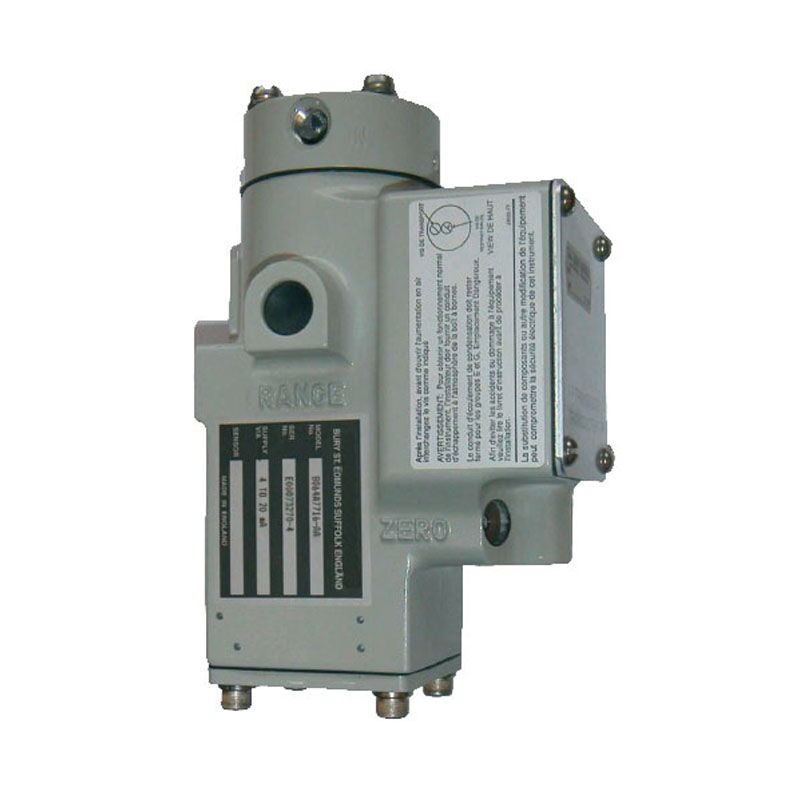
The electro-pneumatic valve system combines both electric and pneumatic technology, consisting of a pneumatically actuated three-way control valve with an electro-pneumatic converter, type 8064A. See page 17 for more details. The probe sends a resistance signal to the electronic controller, which in turn sends a 4 to 20mA signal to an I/P converter that converts this to a pneumatic signal. The electro-pneumatic system combines the features and functionality of the AMOT electronic control system with the fail-safe action benefits of a pneumatically actuated valve.